Olivenhain
Rancho Los Encinitos was a 4431-acre land grant awarded to Andreas Antonio Ybarra on July 3, 1842. By 1880, the Rancho was under the ownership of Frank & Warren Kimball, who owned much land along coastal San Diego County. They advertised the Rancho for sale until 1884, when they found a buyer in German immigrant Theodore Pinther of Denver, who envisioned a new German colony. Pinther promoted his new colony of Olivenhain, German for "olive grove", and in June had twenty paying members. The sale closed on October 3 of that year, and by the following month 67 colonists from Denver arrived at the new colony. By the following March, Olivenhain peaked at a population of nearly 300. Unfortunately, despite being advertised as a rich, fertile land where olives plentifully grew, the new colonists soon discovered that Olivenhain in fact lacked sufficient water. It was also discovered that Pinther had been accepting secret sales commissions from the Kimball brothers, and soon he was run out of the colony.
By 1887, 80% of the Olivenhain settlers had abandoned the community and moved on. Those who remained were determined to make the best of their new home, and received land deeds to free them from colony obligations. It was soon found that sugar beets were a suitable crop, and by 1889, the San Diego Union called Olivenhain "beautiful and prosperous". The Olivenhain Colony all but ceased to exist after its final meeting 1897, but in its place the town of Olivenhain thrived.
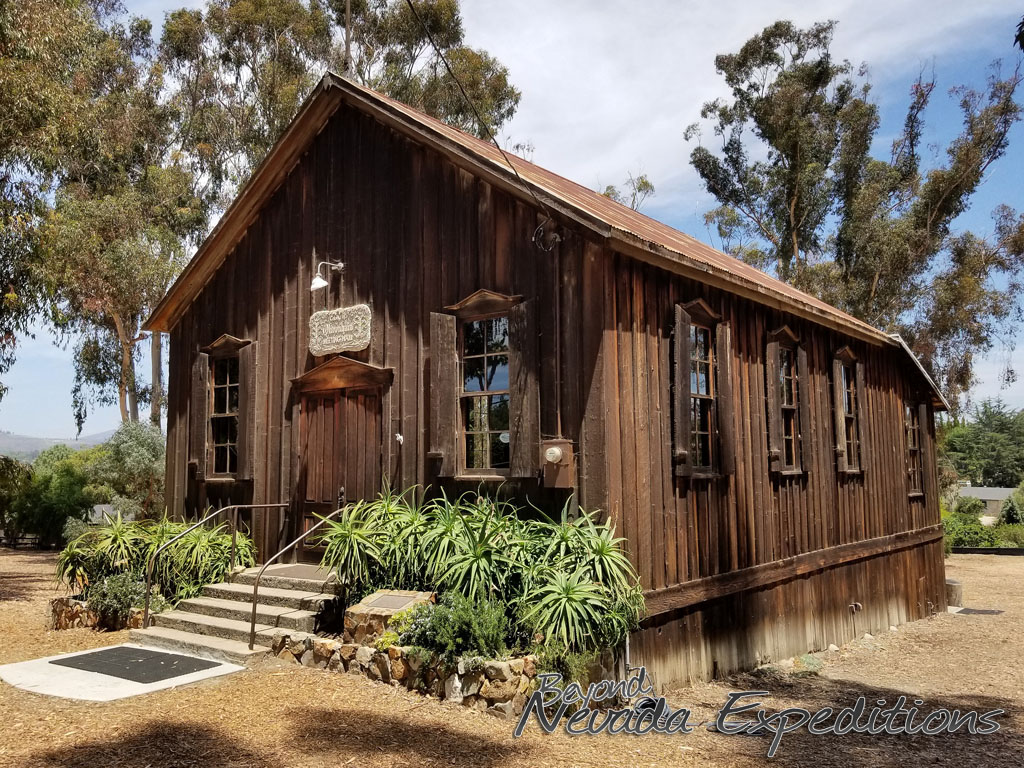
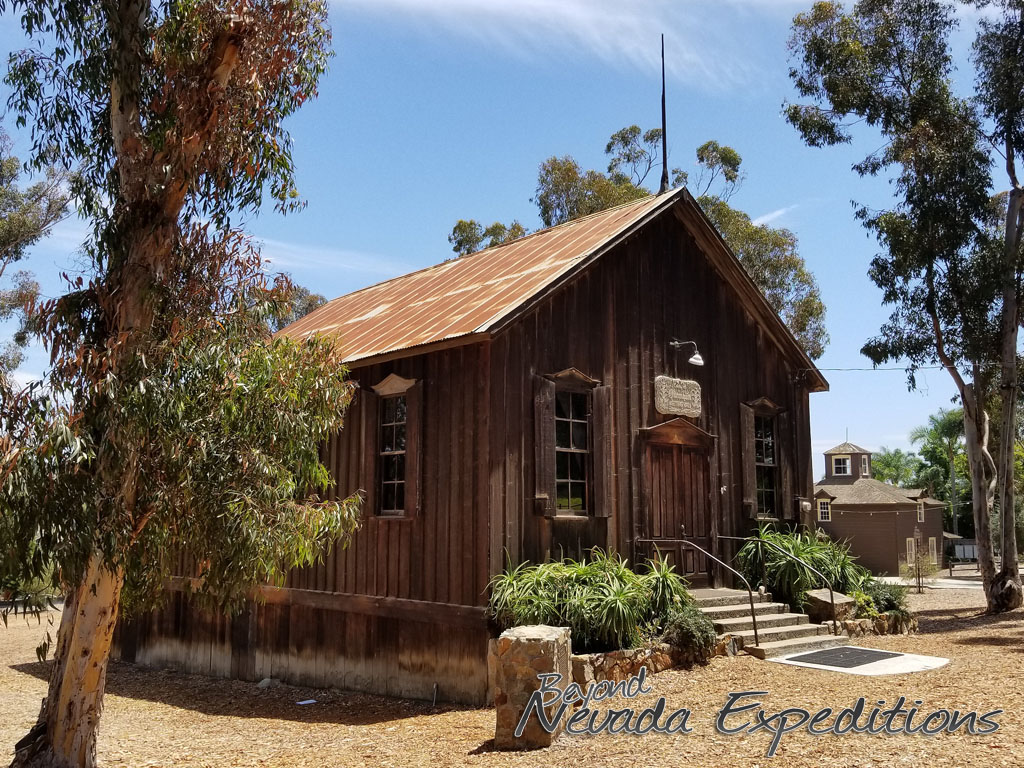
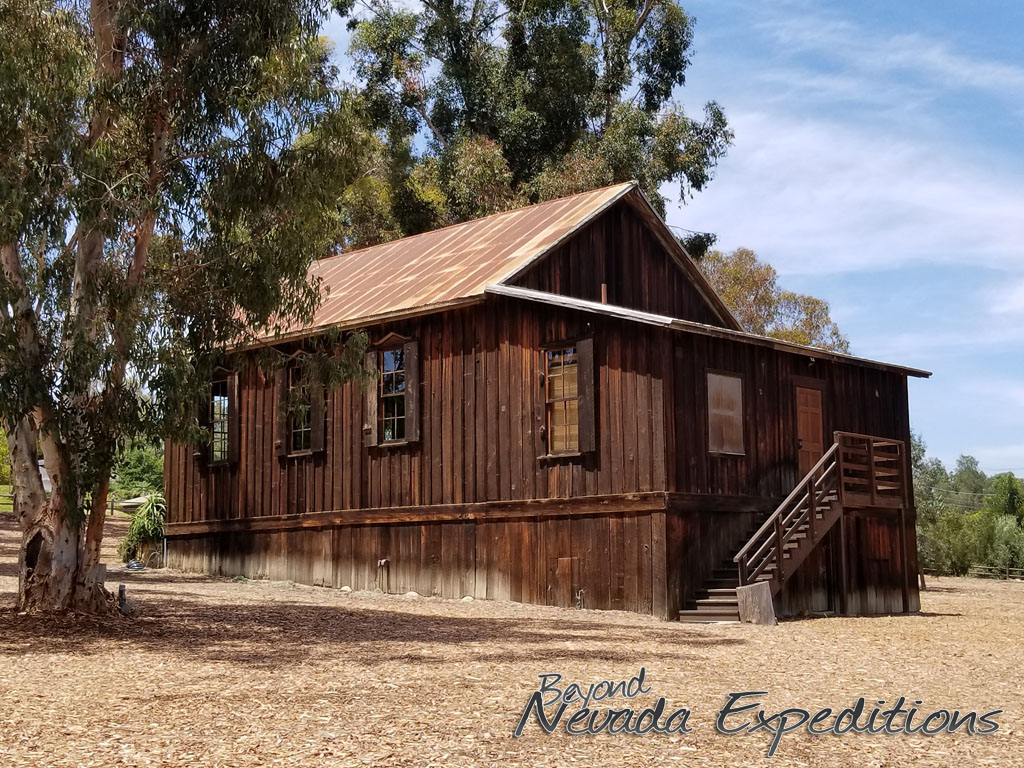
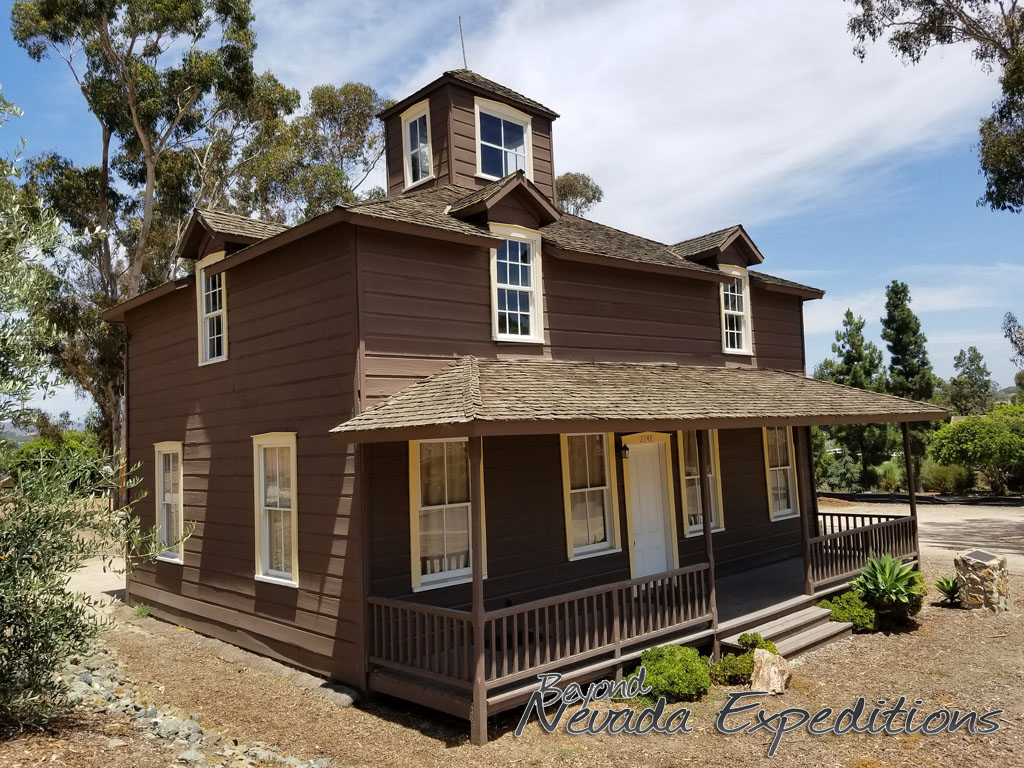
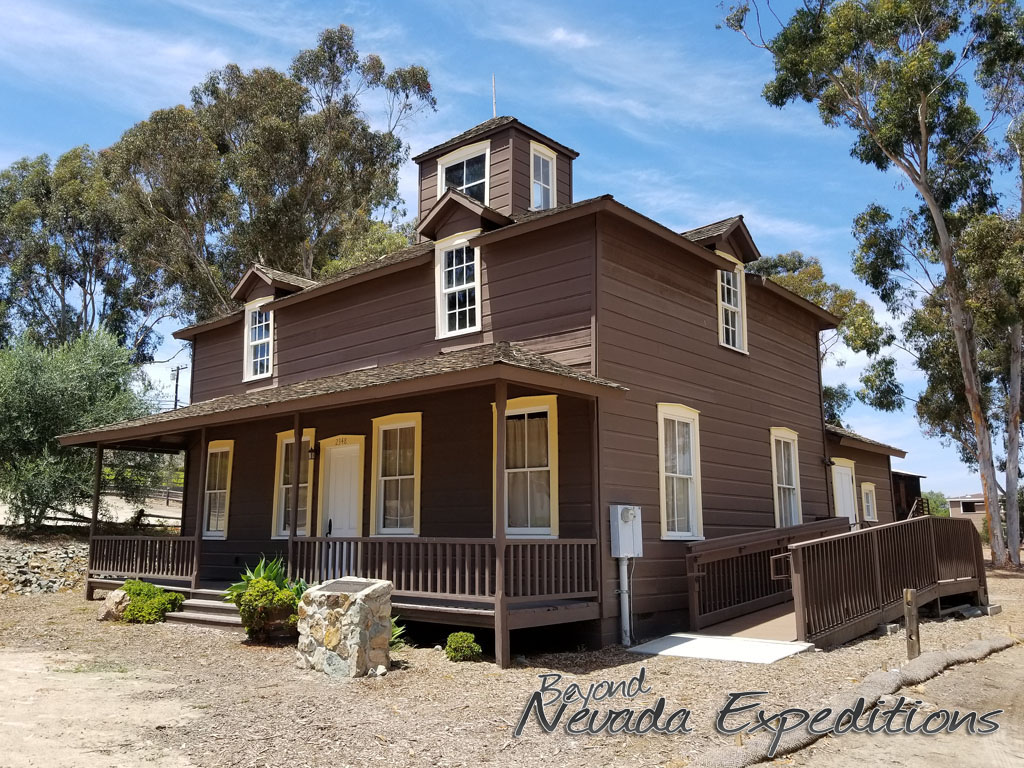
By the late 1950s, farming declined due to operating costs, and the formation of the Olivenhain Municipal Water Company drove the land value up exponentially after 1961. Housing developments overtook the former farmland, and by 1986 the town of Olivenhain was incorporated as part of the new City of Encinitas. Despite the growth, Olivenhain maintains low-density zoning and a "Dark Skies" mandate, which still contribute to a small town feel. At the core of town, a park houses a small handful buildings from Olivenhain's colony days: the Meeting Hall, Germania Hotel, and a solitary remaining shanty from the first days of the Olivenhain Colony.