Stonewall Mine
(Cuyamaca City)
In March 1870, farmer William Skidmore was in pursuit of one of his mules and accidently discovered a ledge of gold in the Cuyamaca Mountains. Skidmore, along with his three sons and Doc R.M. Thompson, located the 'Stonewall Jackson' claim. Shortly after, George & Charles Hensley located two adjacent claims, and the Hensley Mining District was formed encompassing all new claims in the area. By the end of the year, the Hensley, Stonewall Jackson, and other claims were purchased by Almon P. Frary, who soon incorporated the Stonewall Mining Company. Development on the Stonewall mine included a new 100-foot shaft and drifts and construction of a small stamp mill. Yielding gold worth $12-$20/ton, the Stonewall mine operated until about 1875 before entering a period of inactivity. In January 1876, Frary lost the mine in a sheriff's sale due to debt, at which point it was purchased by Wallace Leach. That year the property was reduced to just seven acres when it was determined that part of the land actually fell within the northern boundary of Rancho Cuyamaca.
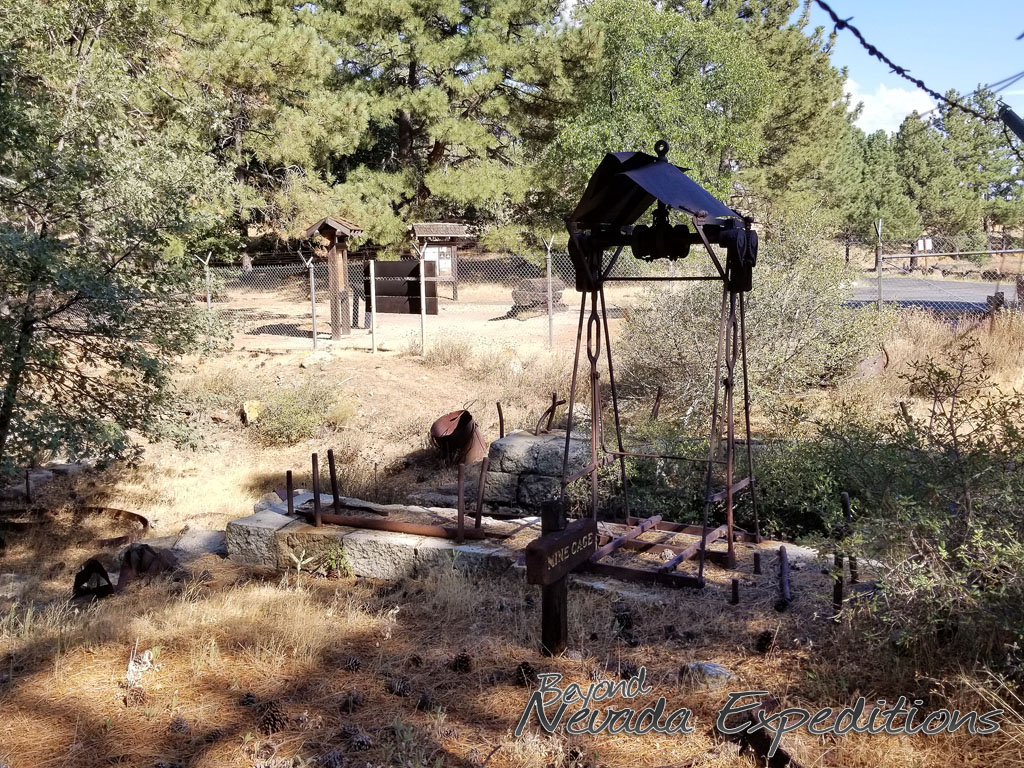
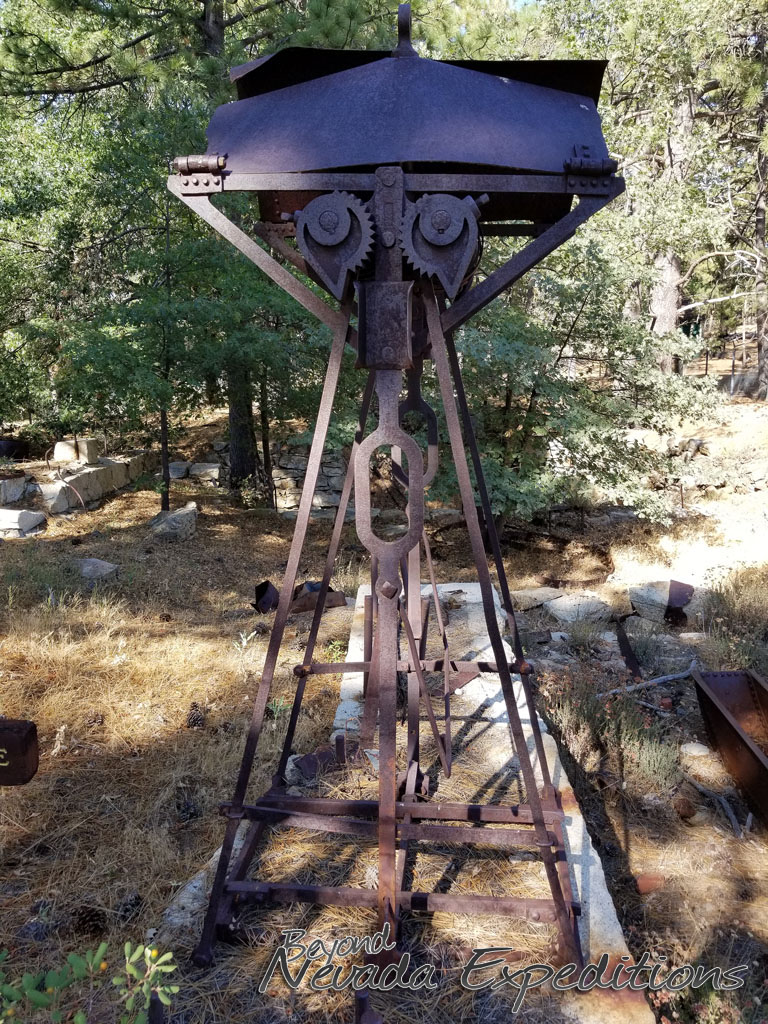
It was nearly a decade before the Stonewall mine saw new development. By June 1885, Dr. J.R. Fulton - then owner - reported large amounts of production, but storm damage forced the sale of the mine to Robert W. Waterman for $75,000 in September 1886. A new shaft was sunk, which would exceed 600 feet. A new post opened to serve the mining camp in 1887, briefly called Stratton after local rancher James Stratton, before the growing camp finally assumed the name Cuyamaca City (though the post office only held the Cuyamaca name). In 1890, a new 20-stamp mill was built, but by the end of 1892 the accessible ore was mined out and in 1893 operations ceased. Under Waterman's ownership, $909,442 was produced.
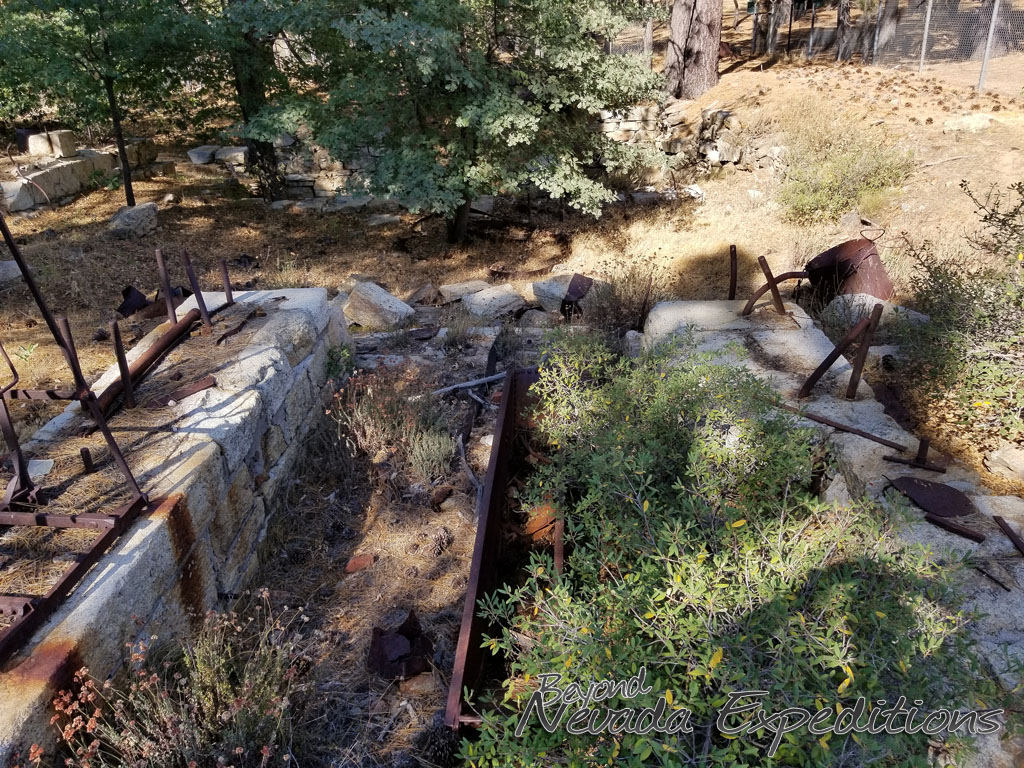
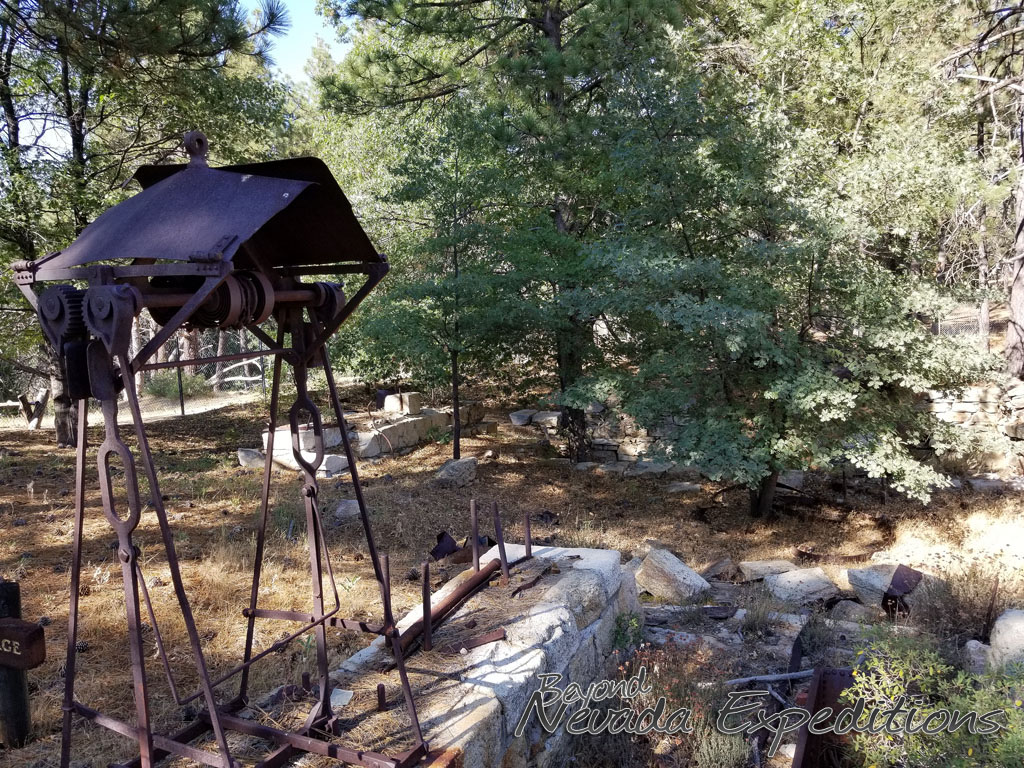
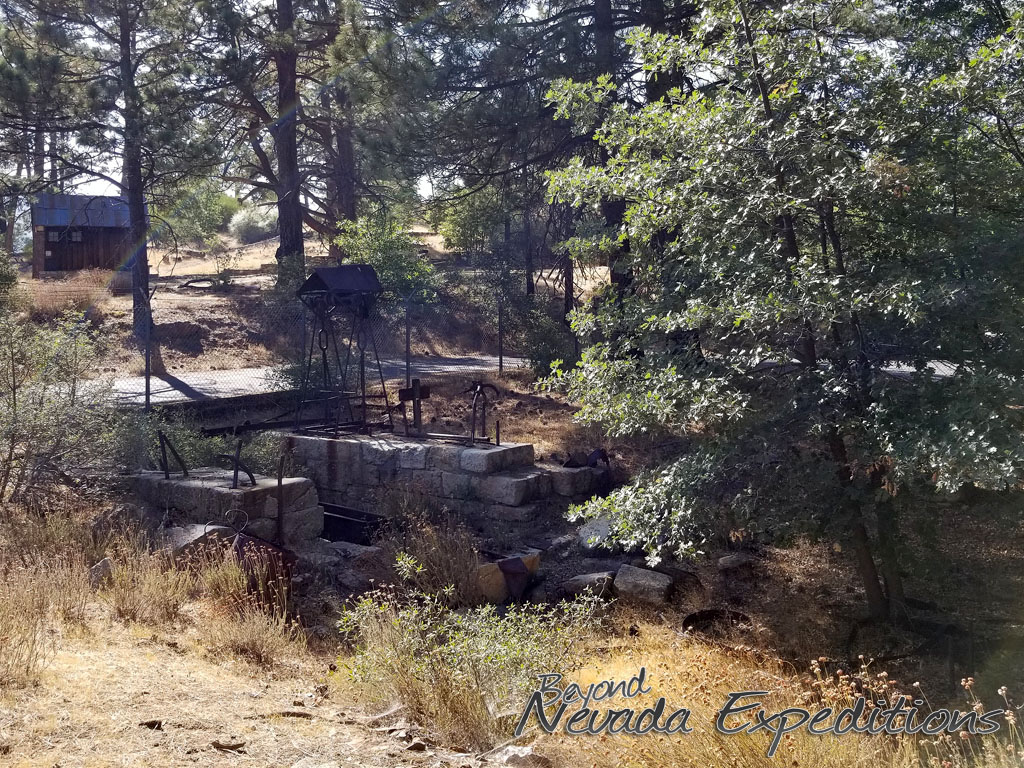
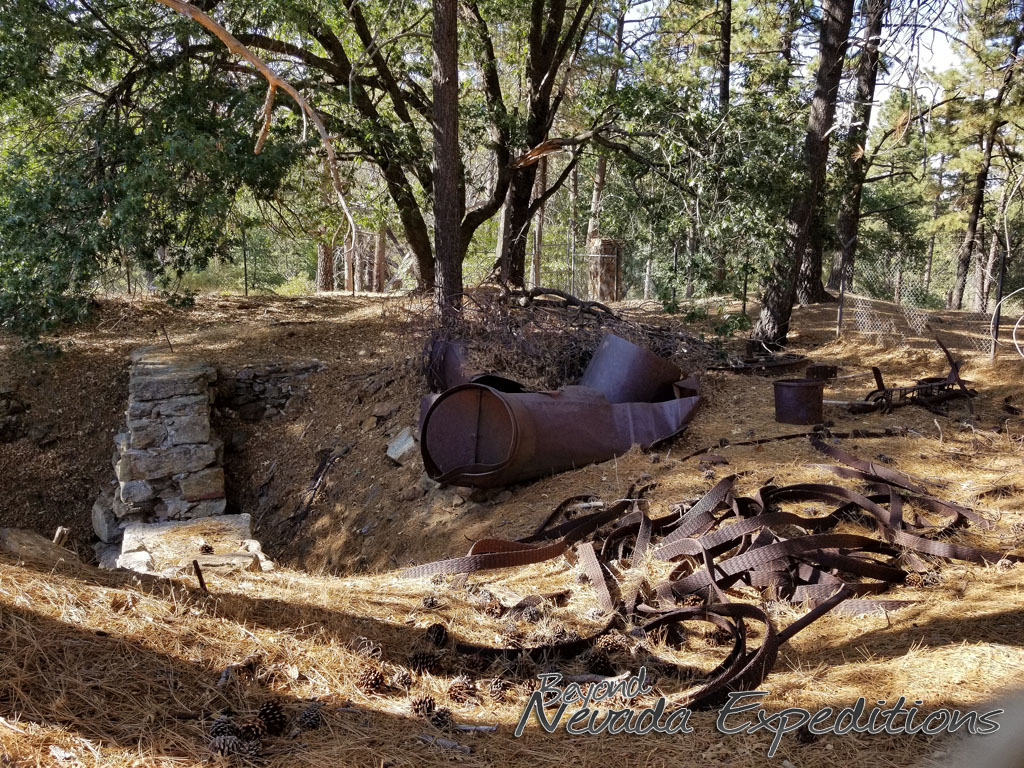
Following the 1892 decline, the Stonewall was taken over by the Sather Banking Company. A cyanide plant was erected in 1898 to treat the tailings, recovering about $50,000. In 1907, the Cuyamaca Mining Company attempted to reopen the mine, but due to the filling of Cuyamaca Reservoir the water table had risen to a level that was impossible to clear and the endeavor failed. In 1923, Rancho Cuyamaca and the Stonewall mine were purchased by Ralph M. Dyar, who made one final attempt to reopen the mine in 1926. As before, it proved a failure, and the main shaft collapsed. In 1933, Dyar's holdings were sold to the State of California for one half their assessed value, and Rancho Cuyamaca State Park was established that year.
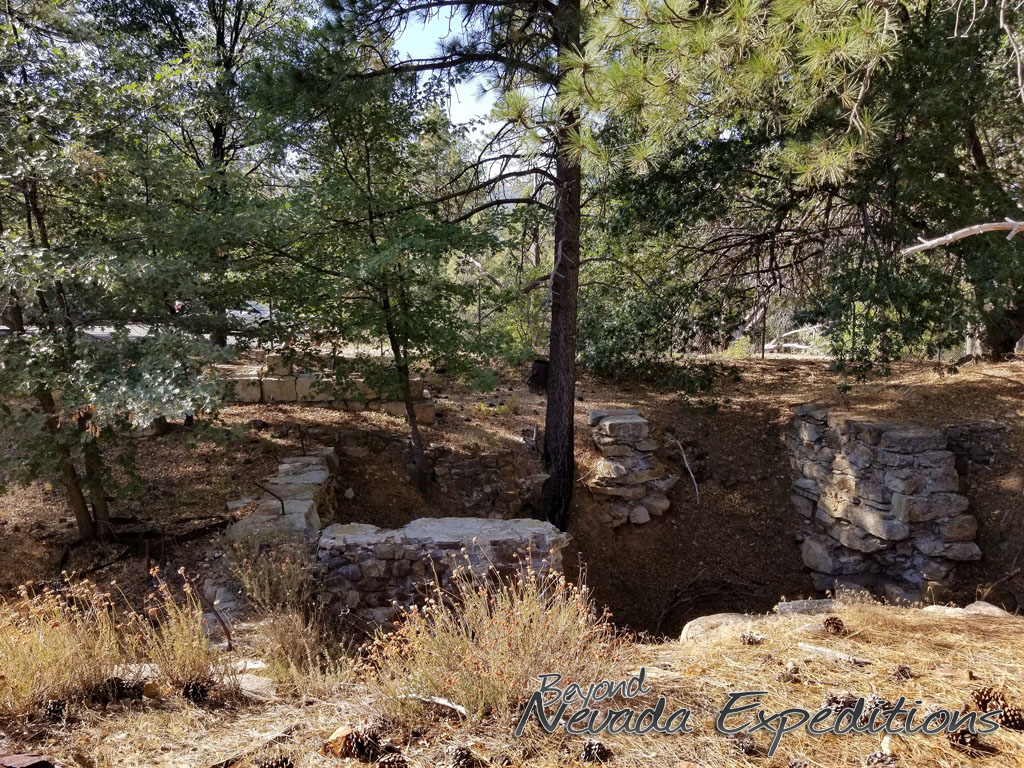
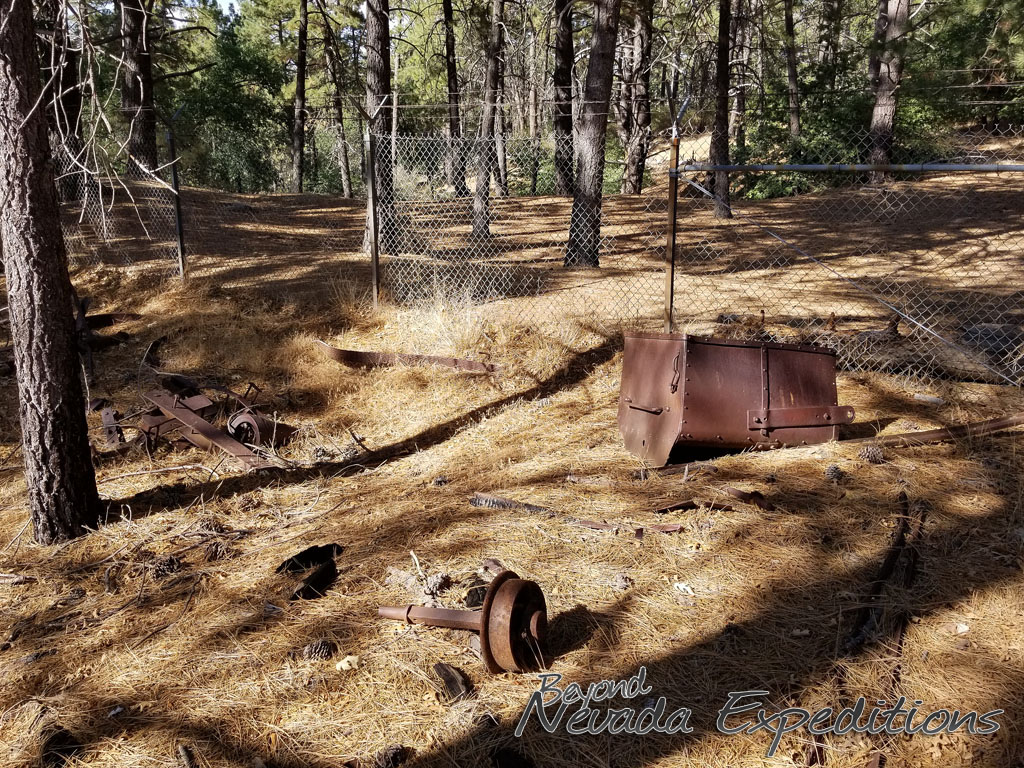
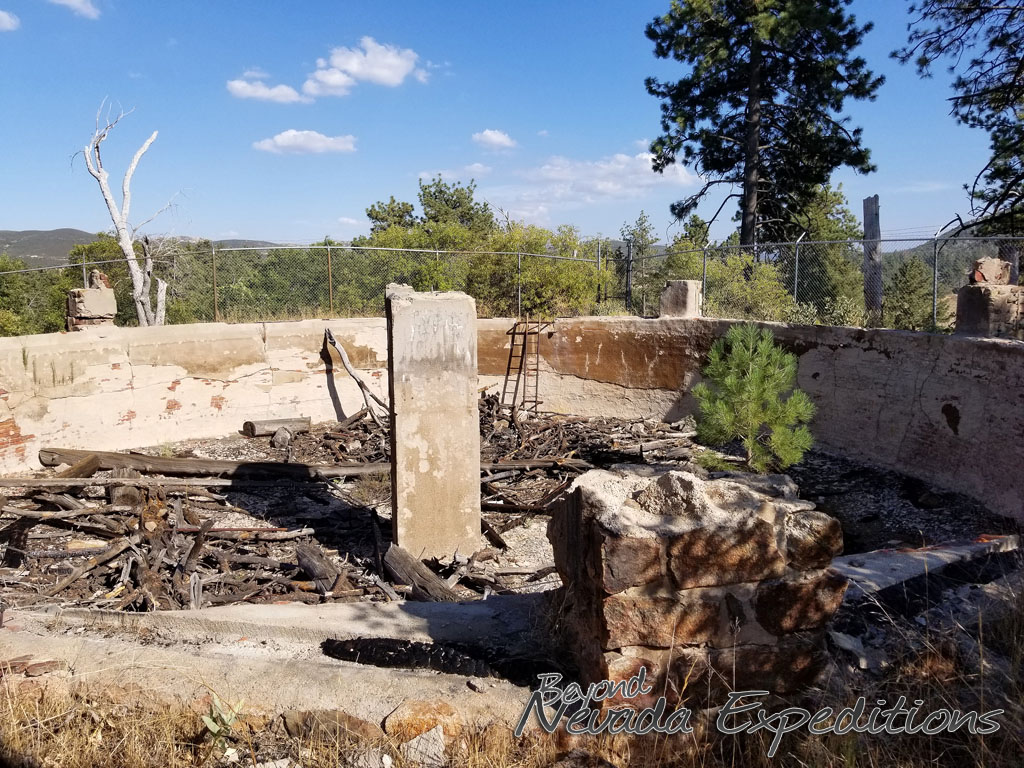
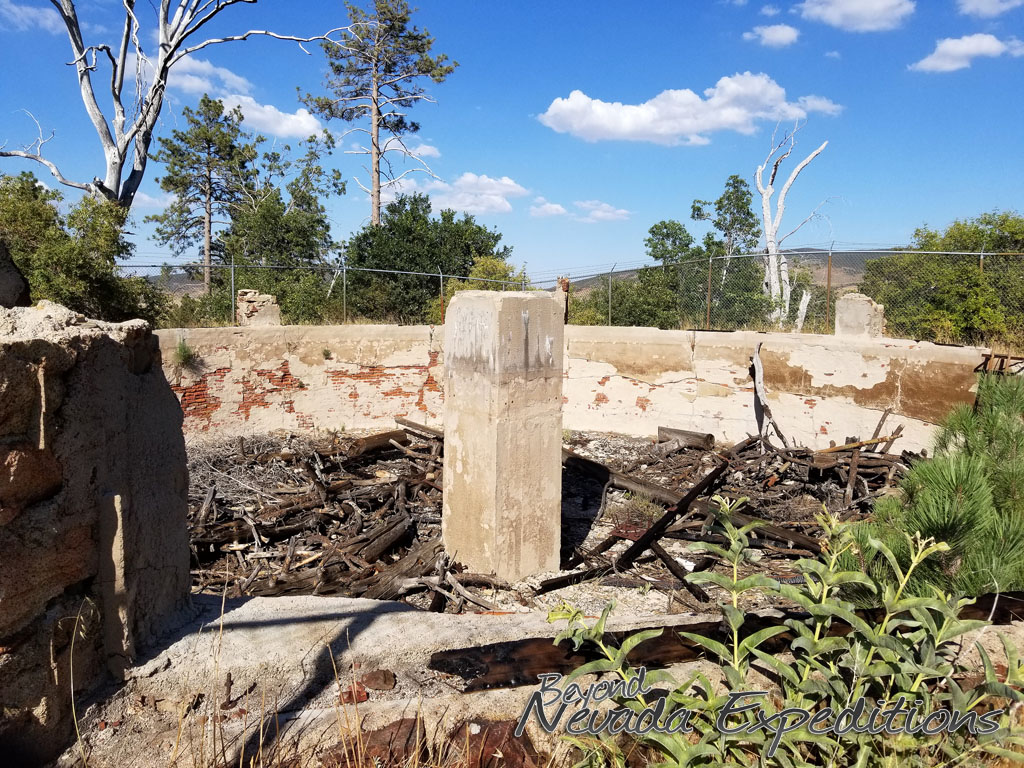
Total production for the Stonewall mine from 1870-1908 is estimated at around $2 million - the largest gold mine ever in San Diego County. After Dyar purchased the mine in 1923, most of the buildings were dismantled and materials used for the construction of his elaborate home. After acquisition by the State a decade later, the new State Park area around the mine saw projects completed by the Civilian Conservation Corps., and in 1936 Camp Tapawingo - a Girl Scout camp also known as the 'Place of Joy' - was completed. Camp Tapawingo closed in 1975, after which most of those buildings were also dismantled. Any remnants were finally destroyed in 2003 by the massive Cedar Fire, and today only a few foundations can be found.