Grafton
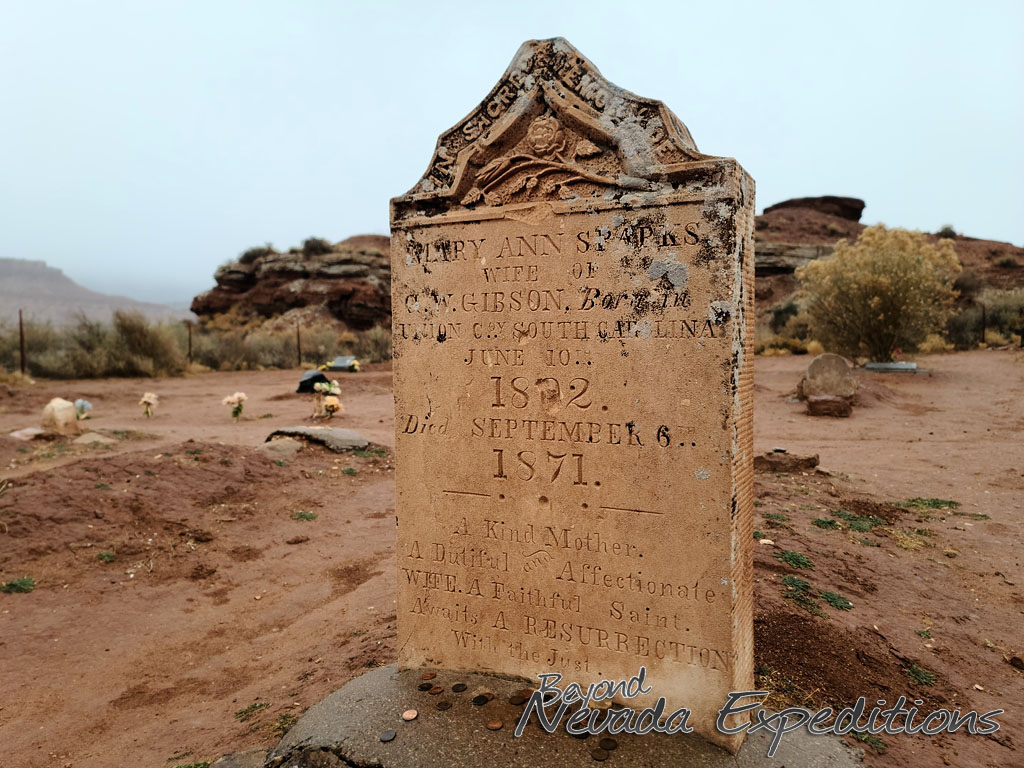
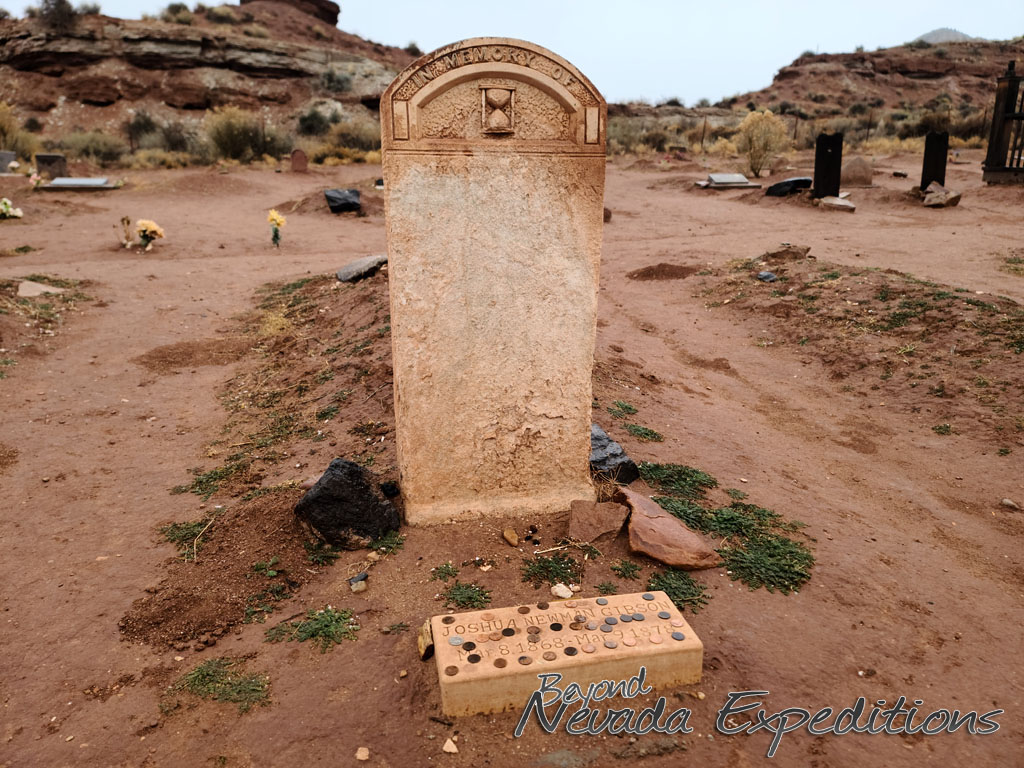
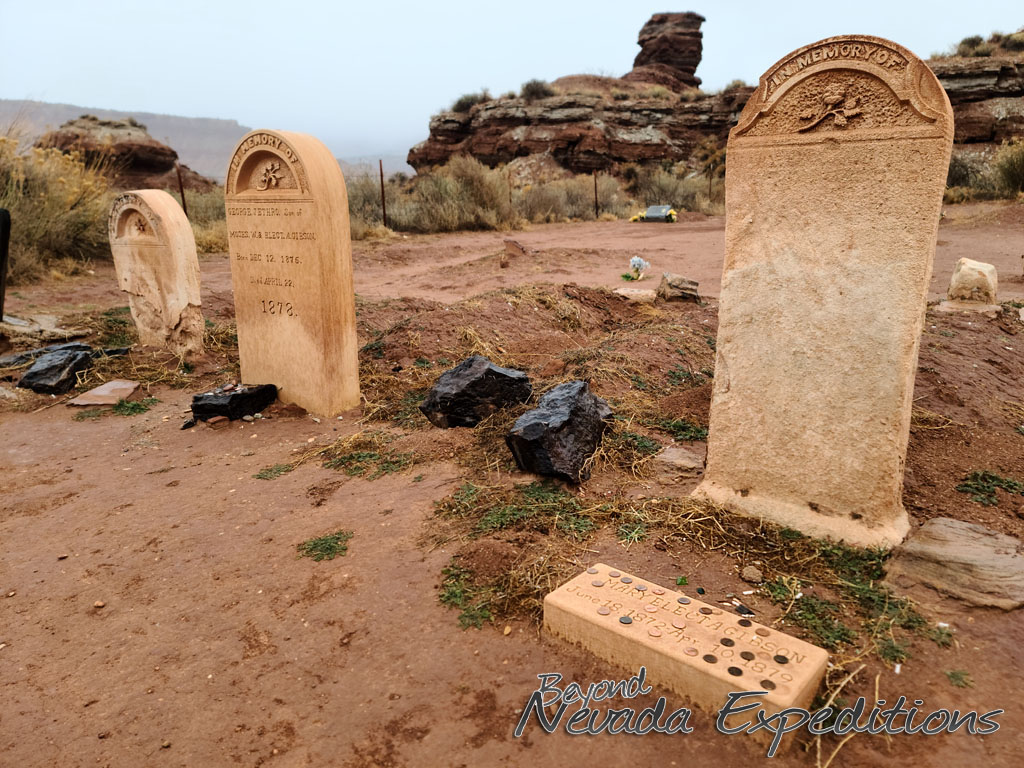
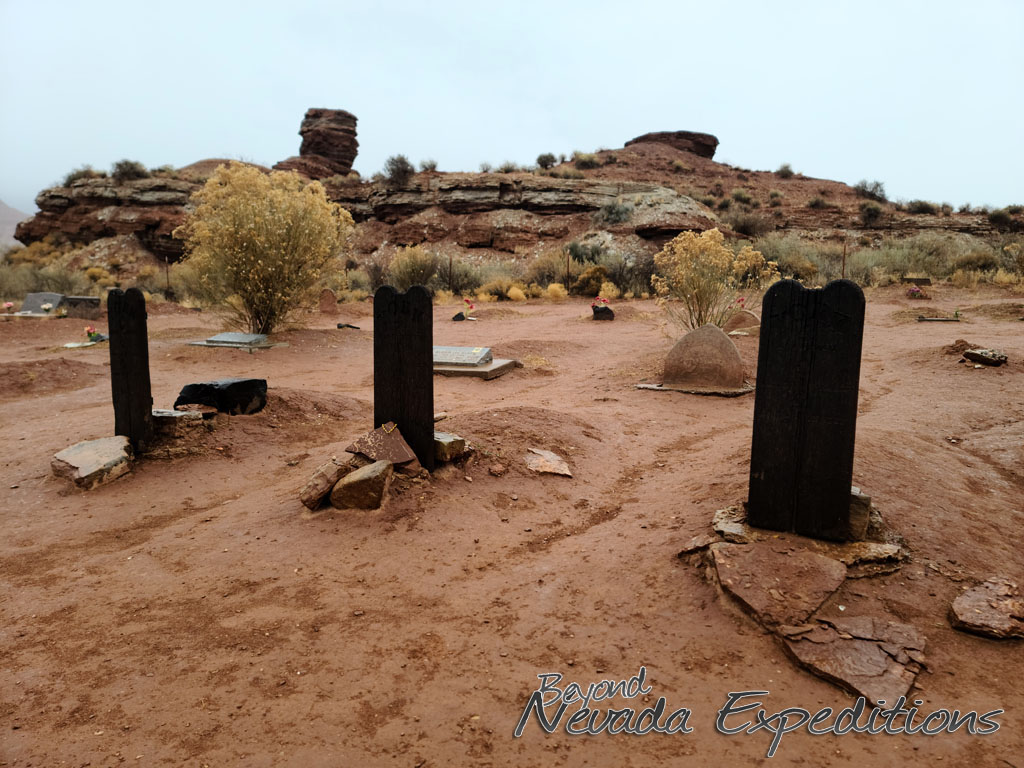
In 1859, five families led by Nathan Tenney moved upriver from Virgin to start a new cotton-growing settlement. For nearly three years, they built homes, planted crops, and built irrigation ditches. Their progress was literally washed away, however, by a terrific flood in January 1862. Unwavered, the settlers moved another mile upstream and started new Grafton, where again they started production of cotton. Before long, it was realized that not enough food crops had been planted in favor of the cotton; after a difficult winter they corrected their mistake and by 1864 Grafton had twenty-eight families with a population of 168. By he next year, 200 acres were cultivated and orchards planted, with water supplied by 7½ miles of ditches and canals. Unfortunately, Grafton was still plagued by flooding and various segments of the irrigation system and workable land washed out. In addition, repeated conflicts with the local Paiutes culminating in the murder of settlers in 1866 led to the town's abandonment.
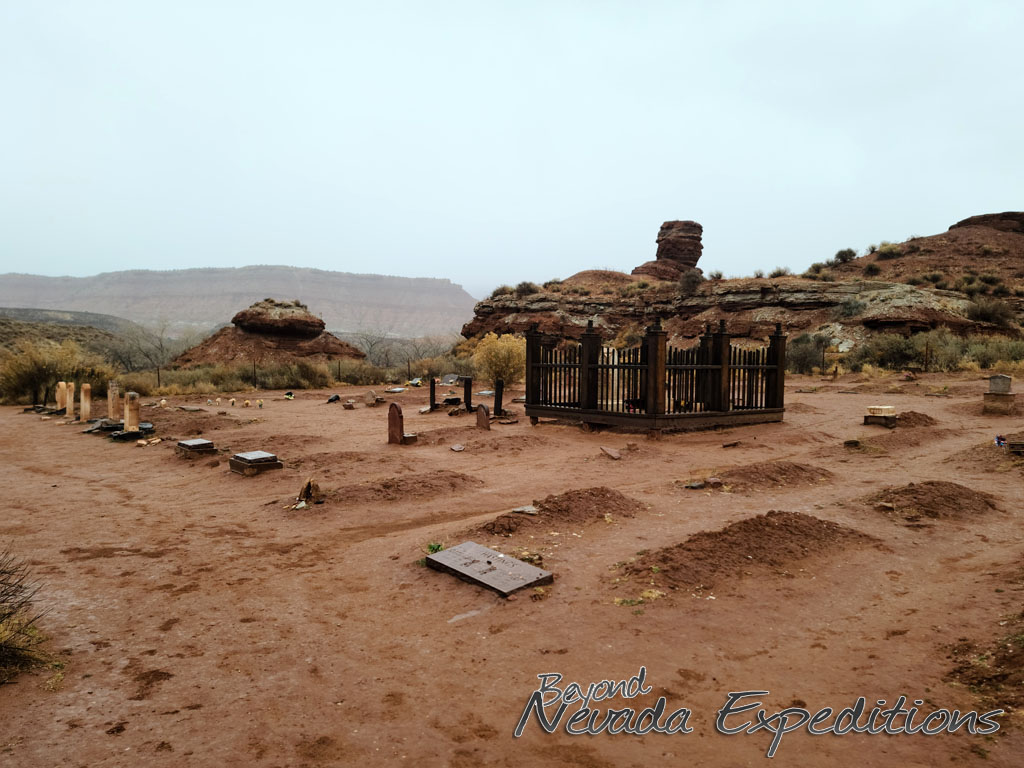
In 1868, Grafton was resettled and thrived for a number of years. After 1906, however, with the construction of the Hurricane Canal to irrigate the wide bench below, many relocated not only to avoid the erosive troubles which still existed along the river, but also due to a lack of available land to cultivate. Though the last permanent resident left in 1945, Grafton was the setting of numerous films during the 20th century (these include In Old Arizona, Ramrod, and most famously Butch Cassidy and the Sundance Kid). Today the town, in the scenic shadow of Zion National Park, is likely Utah's most photographed ghost town, and its remaining buildings have been lovingly restored and preserved by the Grafton Heritage Partnership.