Leeds
In 1867, settlers from nearby Harrisburg realized that Road Valley would be a more suitable site for agricultural development. Under the direction of Erastus Snow, families relocated and dug an irrigation ditch, and on December 1, 1867 the new town of Bennington was established, named for Bishop Benjamin Stringham. In May 1869, Bennington was renamed 'Leeds' at the request of Stringham, after Leeds, England where he had served as a Mormon missionary. With the boom at nearby Silver Reef in the 1870s, Leeds prospered as a supplier of goods.
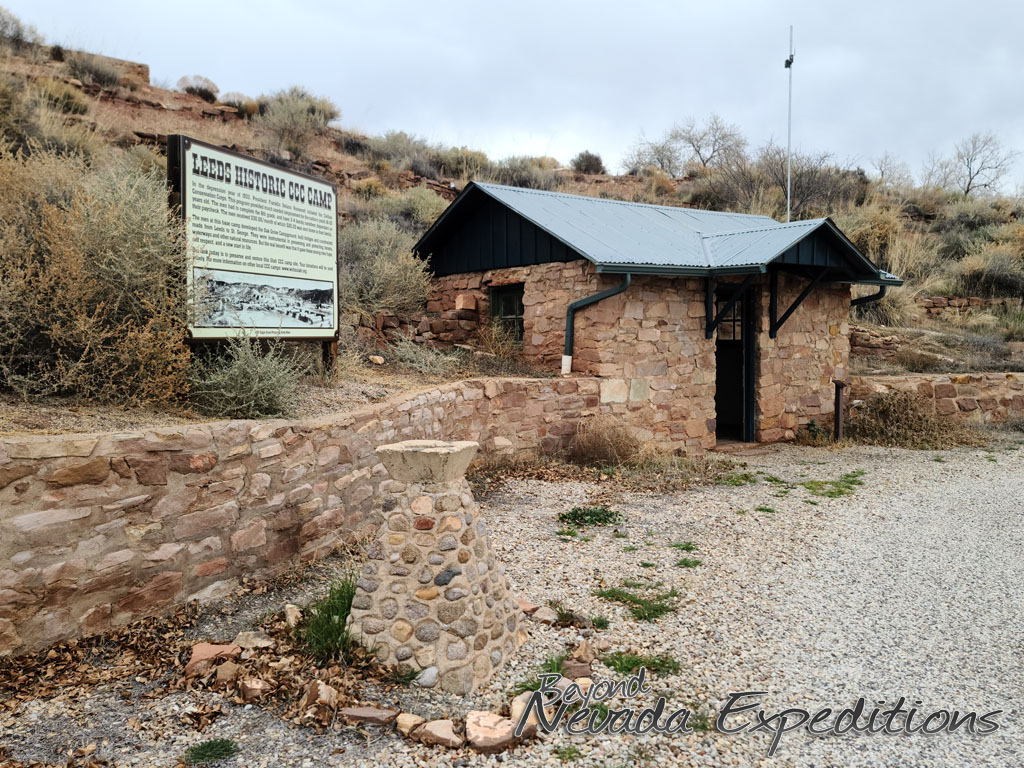
By the 1890s, when Silver Reef declined, Leeds had earned itself a reputation for its fine produce and was able to find other customers. By 1913, the Leeds Packing Company was formed and a cannery was built. Soon Leeds also gained sorghum and broom factories, and the routing of Highway 91 in 1926 provided an easy route for sales. Mining briefly resumed, and in the 1930s Leeds was home to a large Civilian Conservation Corps camp.
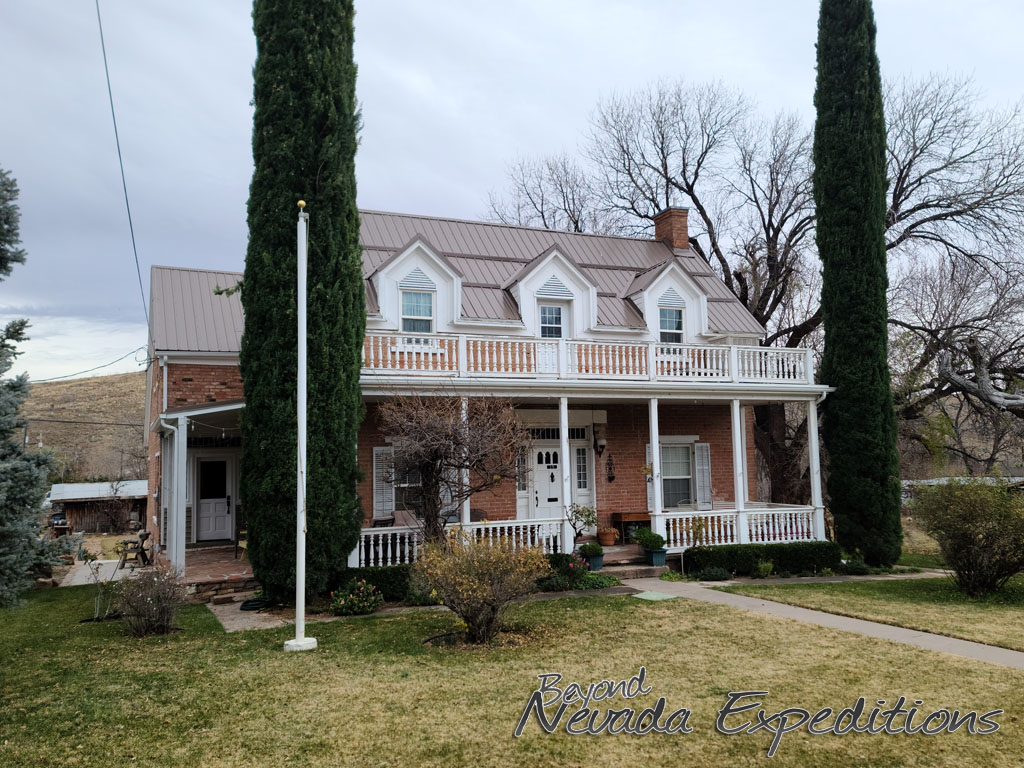
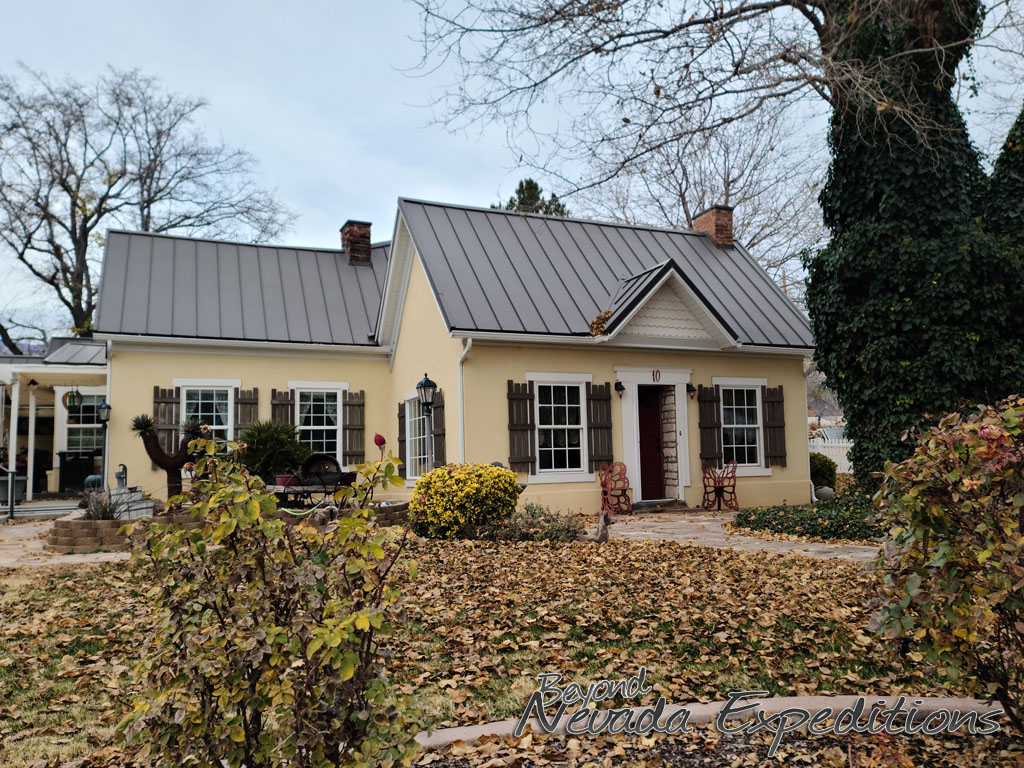
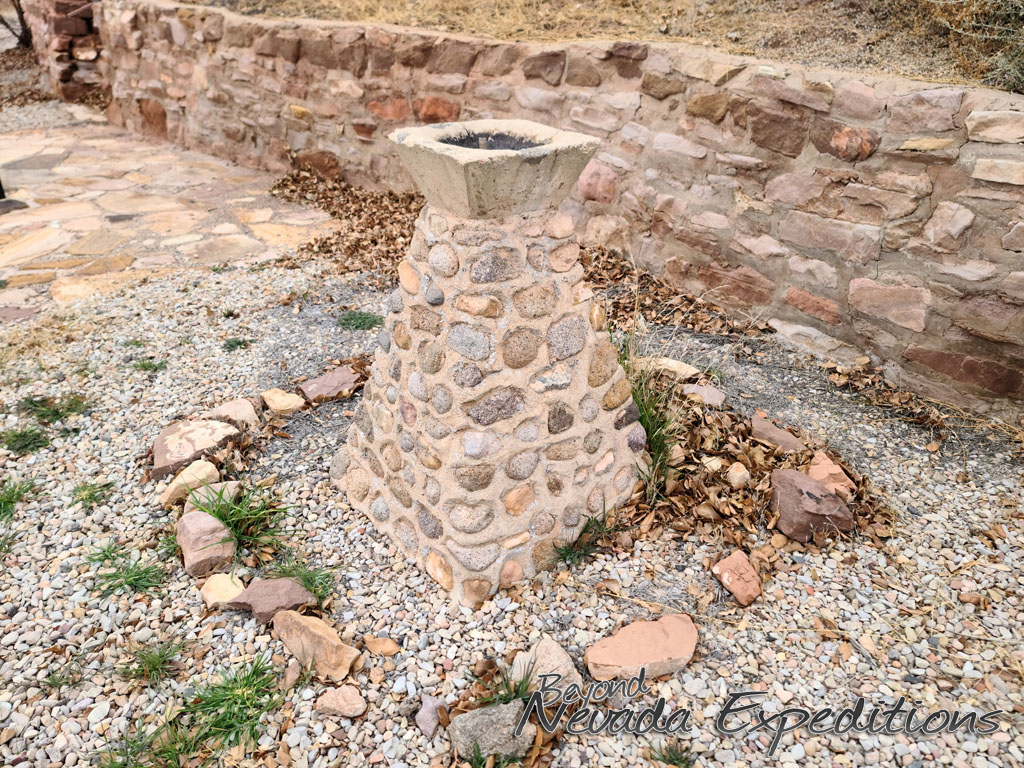
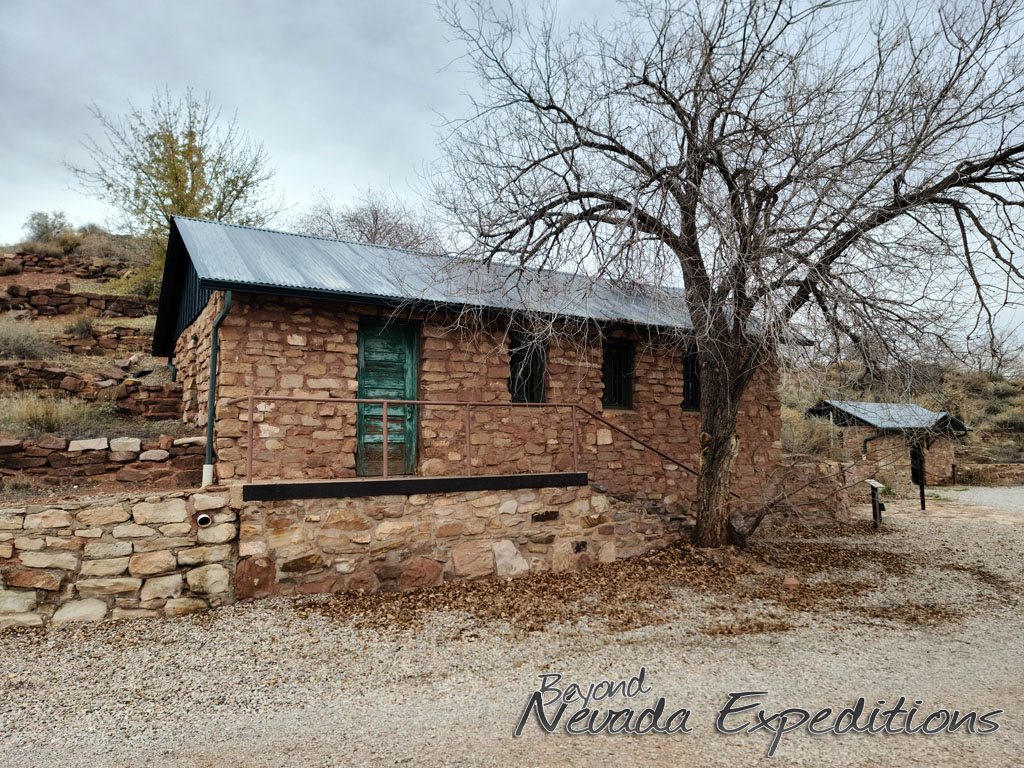
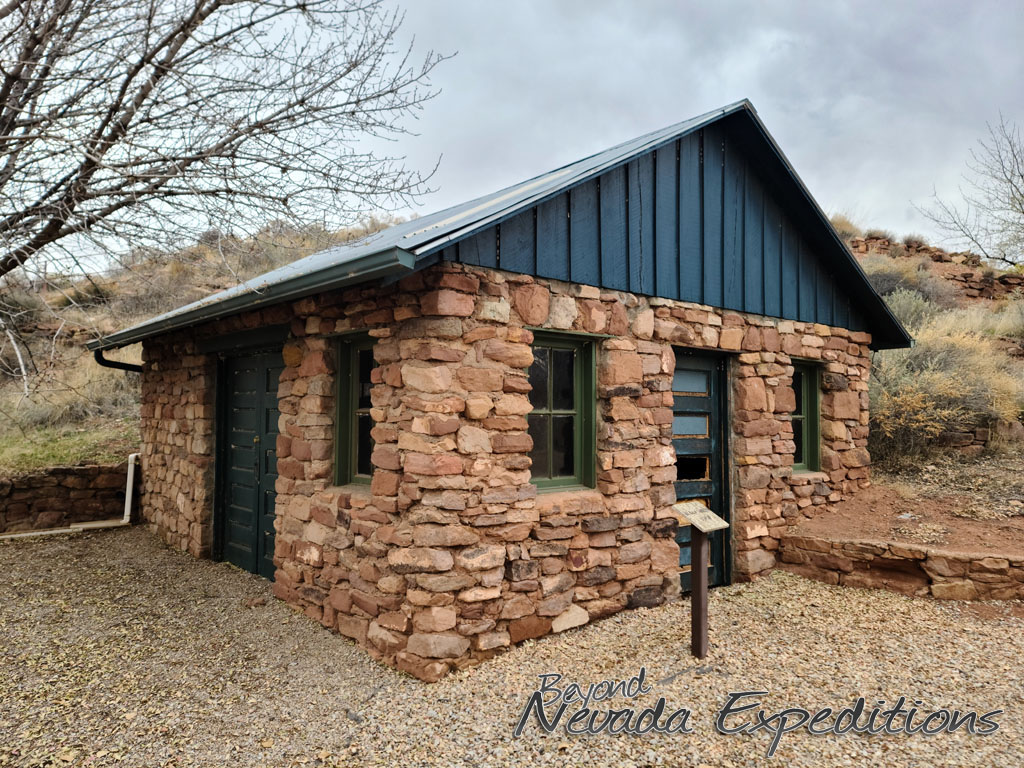
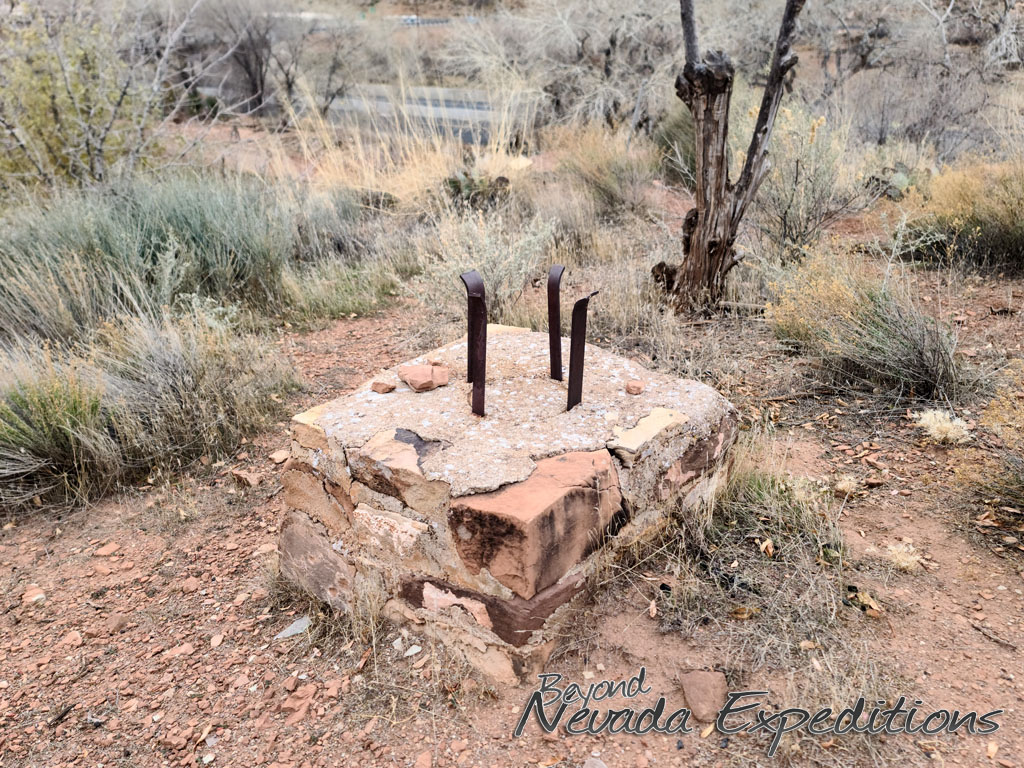
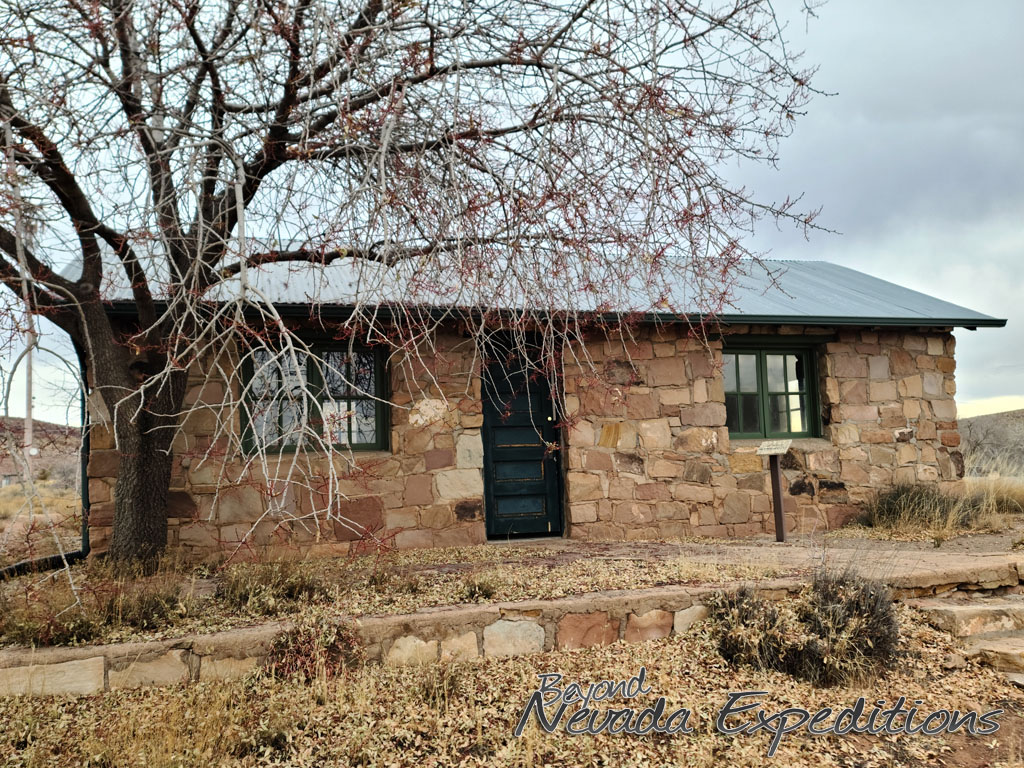
The Town of Leeds was formally incorporated in May 1953, and in subsequent decades gained modern amenities like sidewalks and gutters, street lights, and a fire department. Though business slowed after the construction of Interstate 15 and the closure of the cannery, sorghum and broom factories, the annexation of the newer subdivision surrounding Silver Reef brought Leeds to its highest-ever population of around 850. Still, the town is quiet and Main Street is home to a handful of landmarks dating to the earliest days of settlement. The old Leeds CCC Camp can also be found, described as the best preserved in Utah.