Shem
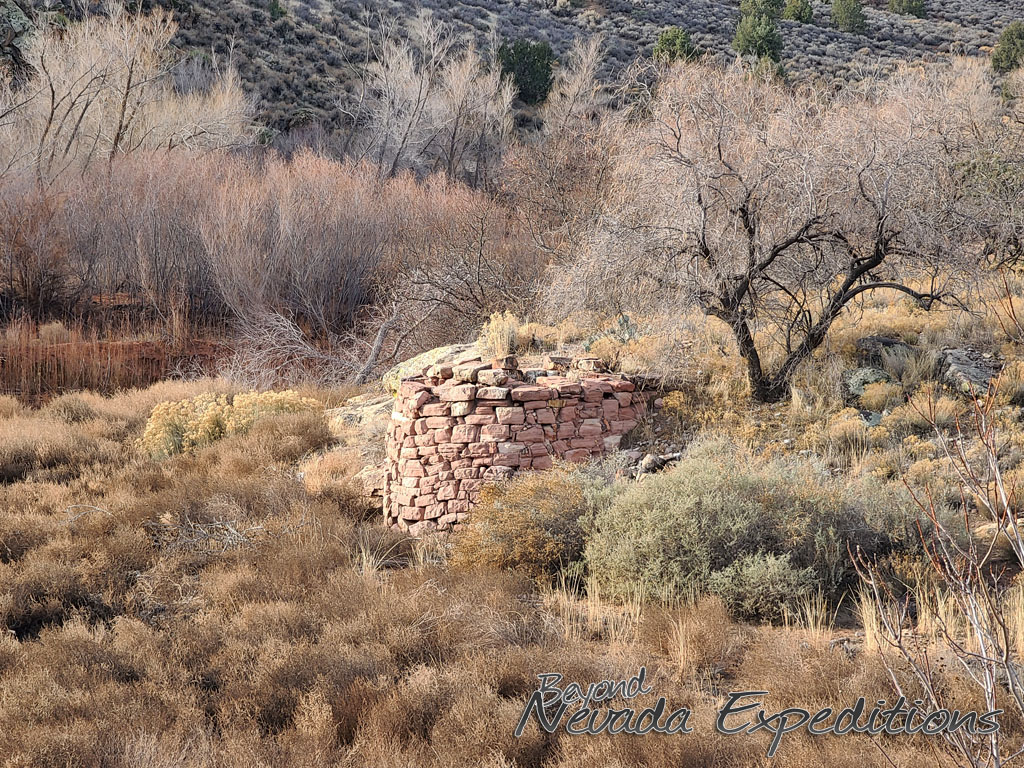
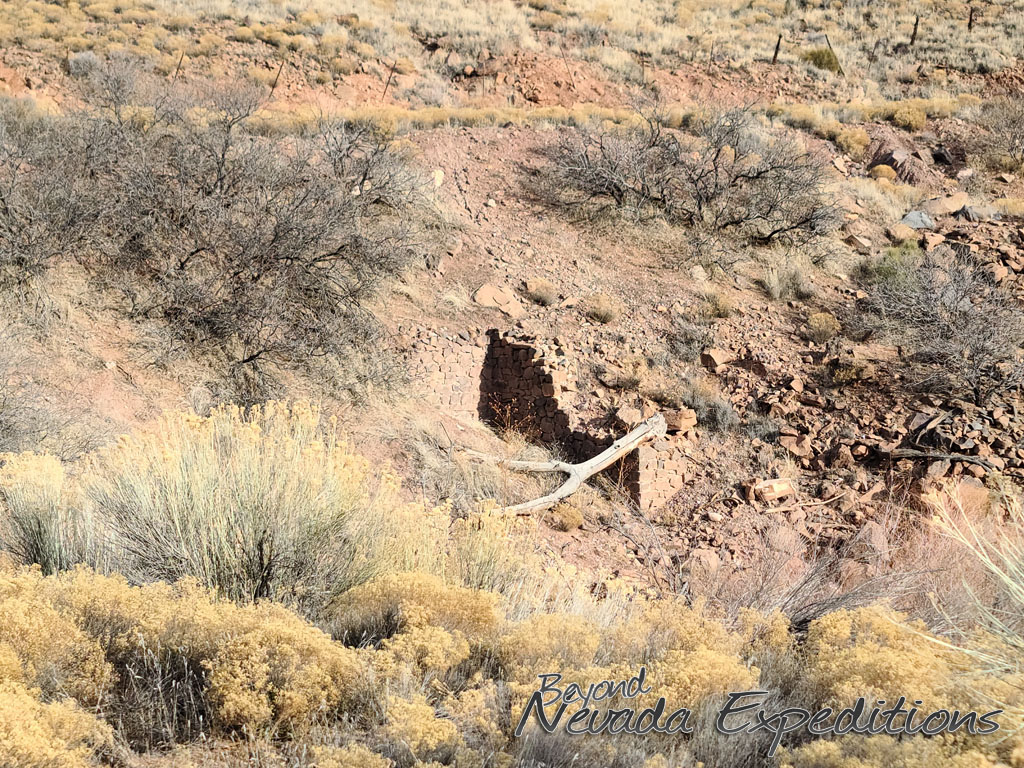
Copper ore was discovered at the Apex Mine on the eastern slope of the Beaver Dam Mountains in 1884. After that mine was purchased by the Utah Eastern Copper Company in 1898, a smelter was erected along the Santa Clara River and the settlement of Shem was born. The name 'Shem' was that of a prominent and well-respected chieftain of the Shivwits Band of Paiutes. From the Shem smelter, copper was shipped by wagon to the railroad at Acoma, Nevada, about 50 miles away. The smelter operated until 1907, when a decline in copper value forced its closure.
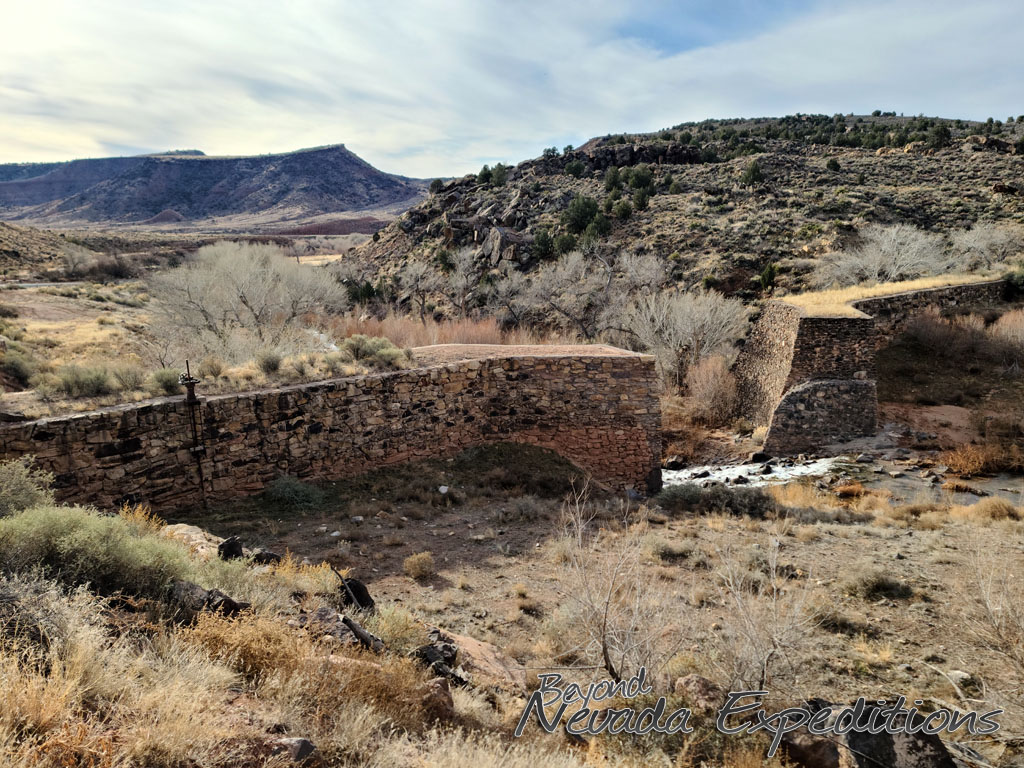
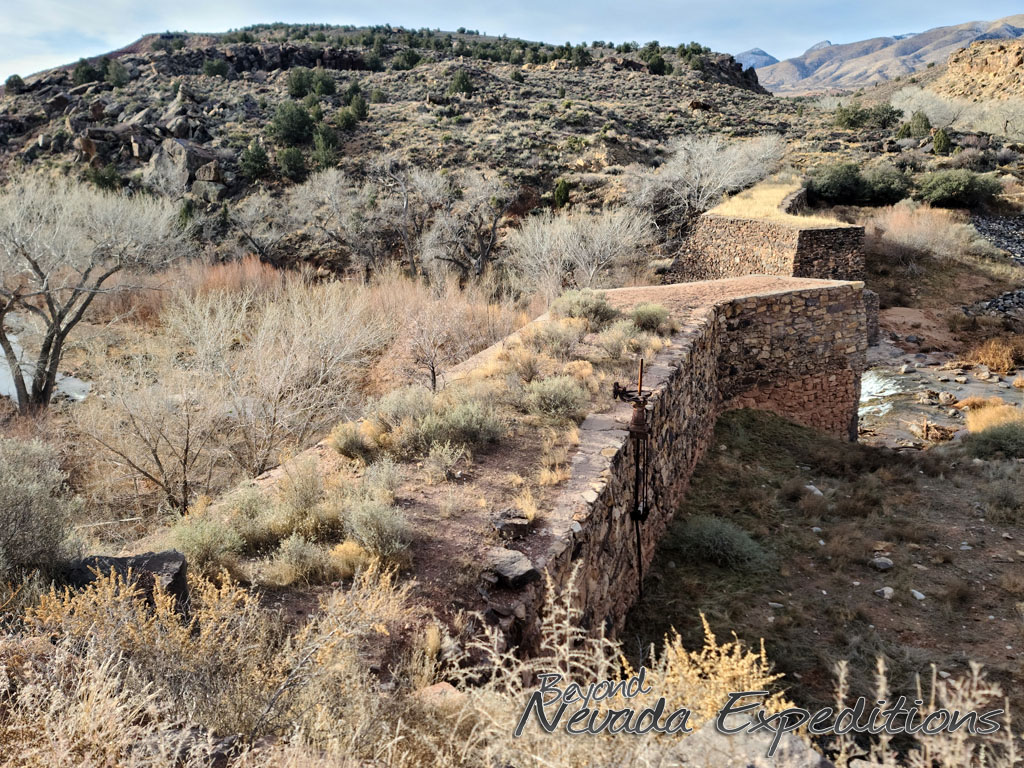
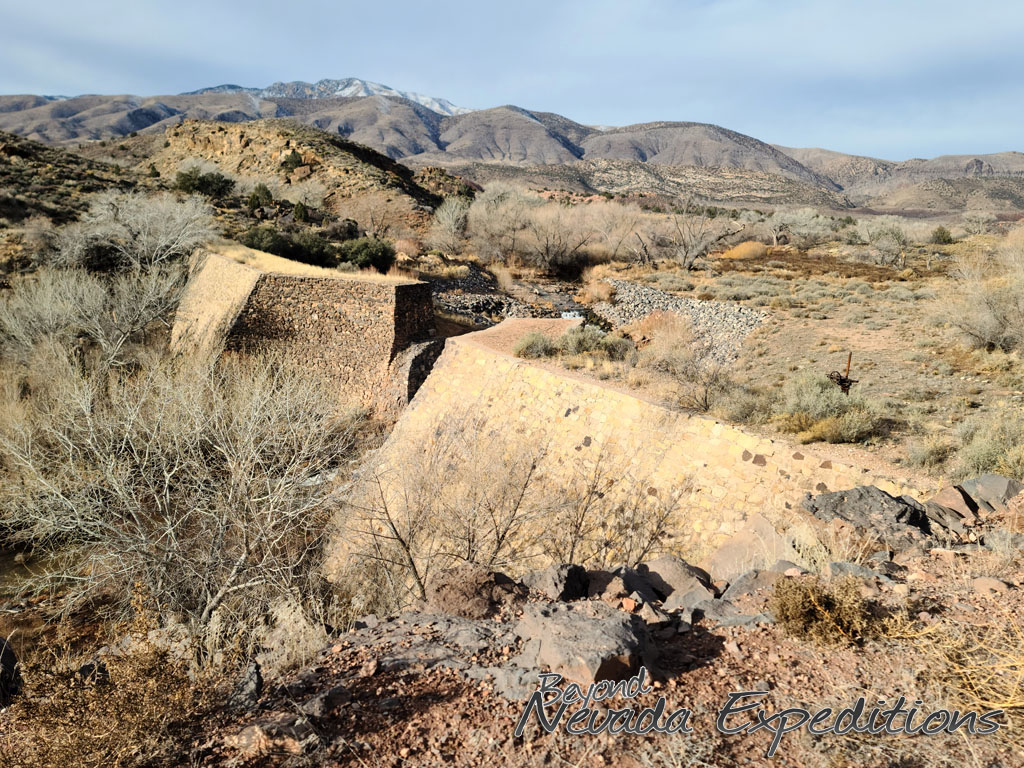
In 1909, discussions began about a new dam on the Santa Clara River to divert water for irrigation on the Santa Clara Bench. The first dam, of brush, straw, and sand, was built in 1916 by the St. George & Santa Clara Bench Irrigation Company. Due to its materials, it was prone to damage and frequently needed repairs or replacement. By 1933, Luther M. Winsor, an engineer with the U.S. Department of Agriculture, proposed building a new, more structurally stable dam. In January 1934, work on the new Shem or Winsor Dam began. Construction was done by Company 961 of the Zion Civilian Conservation Corps Camp, using basalt boulders and concrete. It was completed in February 1935, and was one of the largest dams built in Utah by the CCC.
Like the previous dam, the new Shem Dam was prone to problems caused by flooding, with floods in 1938 and 1955 causing major damage. In 2003, the dam stopped functioning as a diversion, and another flood in 2011 heavily damaged the structure, prompting an investigation into the dam's integrity. The Shem Dam Rehabilitation Project, which included the removal of the center of the spillway allowing free flow of the river and alleviating the buildup of silt, was completed in 2015. Please note that both the smelter and dam are on private property within the Shivwits Reservation; stay on the road and don't trespass.