Wynola
During the winter of 1869, former slave Fred Coleman lived in the area among the Kumeyaay and one day stopped in this valley to let his horse drink from the creek. He noticed yellow particles in the water which he recognized as gold, and, using a pan he was carrying, managed to recover a few small nuggets. He quickly established Emily City (or Coleman City) and the new Coleman Mining District, and with the aid of the Kumeyaay, carved a new road from Santa Ysabel. The subsequent rush of prospectors soon led to the formation the larger town of Julian, and Emily City soon faded.
With the growth of mining at Julian, Banner, Stonewall, and other small camps, a new agricultural center called Wynola came into being in Coleman Valley (now Spencer Valley) along the stage road from San Diego and near the site of old Emily City. After 1876, it gained the Spencer Valley School District, and soon one could find orchards of apples, peaches, and pears in addition to cherries, grapes, and the production of honey and livestock.
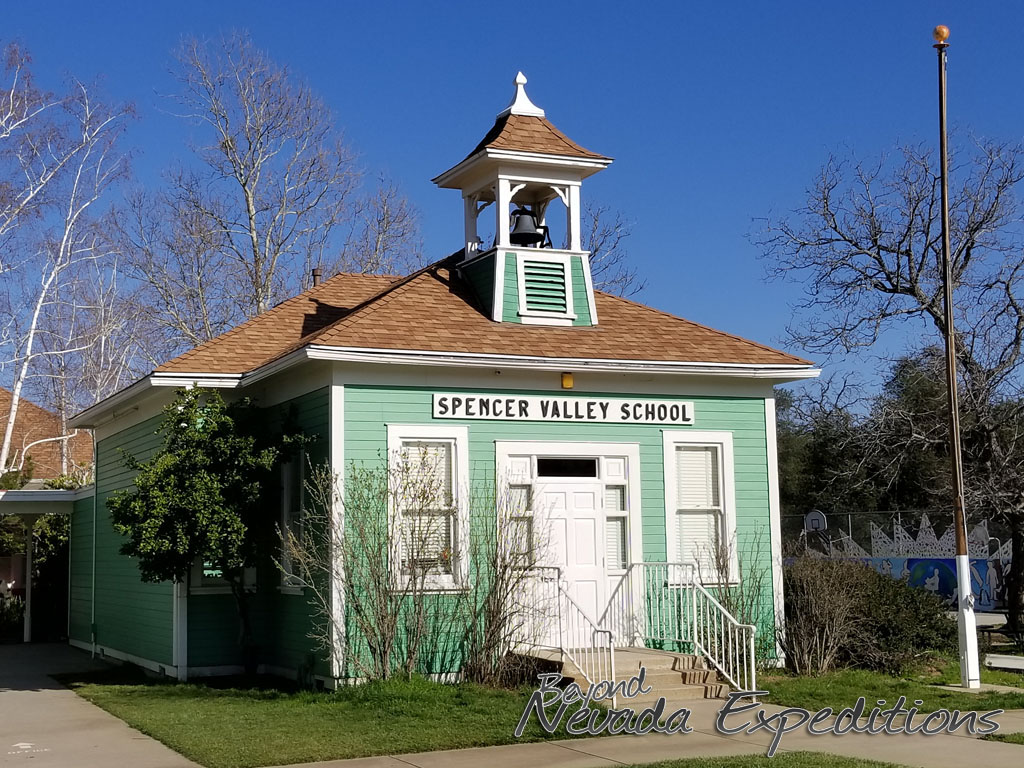
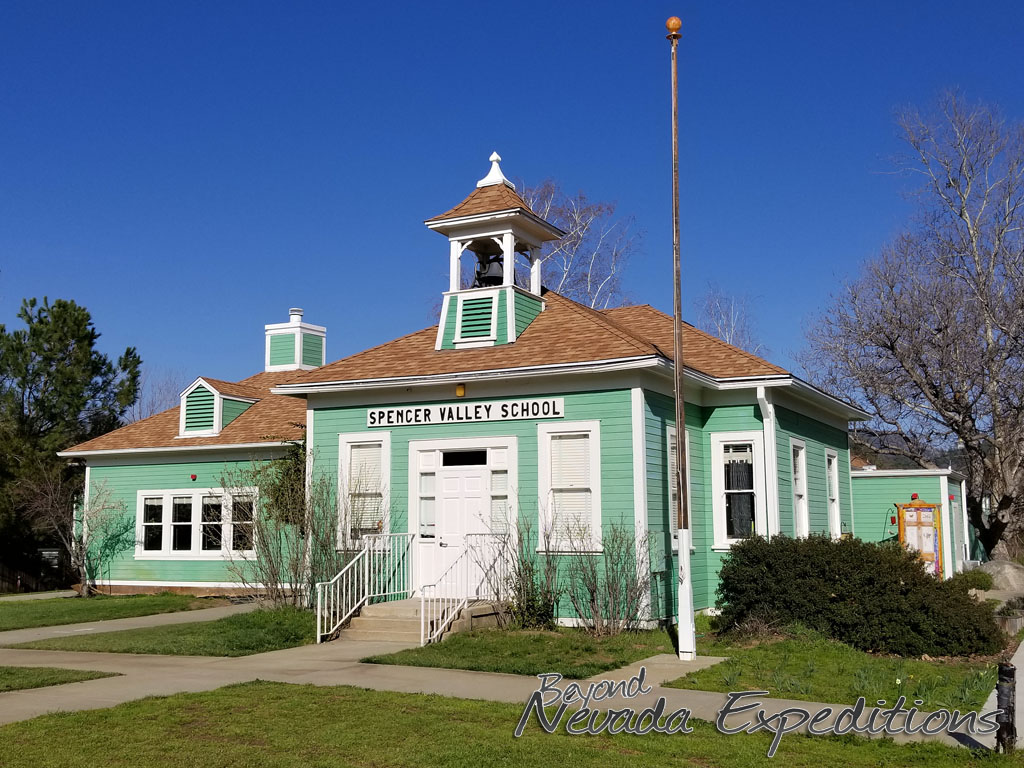
Though little Wynola never achieved any huge prominence and lost its post office over a century ago, it still holds a small population and some of the orchards still provide apples for the apple pies that Julian is known for. The 1905 Spencer Valley Schoolhouse, still in operation (though enlarged) as the only school in the district, is the most notable landmark from Wynola's early days.